November 5, 2026
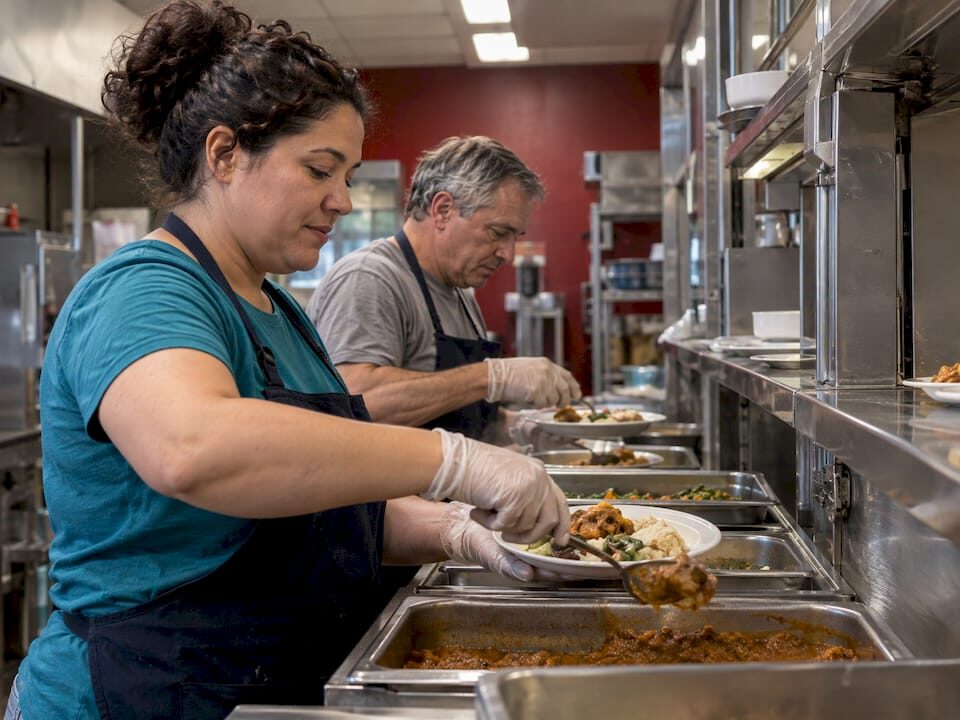
A practical guide to domestic mission trips for churches, youth and college groups: what the work looks like, how to prepare safely, and what NYC trips cost.

We also accept other Non-Traditional Gifts.
Click here to learn more
We also accept other Non-Traditional Gifts.
Click here to learn more
We also accept other Non-Traditional Gifts.
Click here to learn more
We also accept other Non-Traditional Gifts.
Click here to learn more
We also accept other Non-Traditional Gifts. Click here to learn more
We also accept other Non-Traditional Gifts. Click here to learn more

Say the Gospel in One Minute: Conversation First Script to Start
September 17, 2026
Act Before Two Weeks: How Pastors Stop Compassion Fatigue
September 23, 2026New York School of Urban Ministry

Trauma-informed ministry is the practice of shaping every policy, program, and pastoral conversation around the reality that many people in your pews carry unhealed wounds. The single most important first step is adopting the SAMHSA framework’s six principles and forming a small steering team, ideally your pastor, a counselor or social worker in the congregation, and a volunteer leader, to run a gap analysis this month. Everything else, from worship planning to referral lists, flows from that starting point.
TL;DR:
- Most adults have experienced at least one traumatic event, making universal precautions essential rather than screening for trauma case by case.
- Implementing trauma-informed ministry begins with forming a small team to analyze policies, physical spaces, and programs for potential retraumatization risks.
- Training should focus on supervised, hands-on practice in active listening and de-escalation, not just awareness seminars, to ensure skill transfer.
- Safeguarding infrastructure such as background checks, clear reporting procedures, and a vetted referral list is non-negotiable for trustworthiness and safety.
- Churches can develop community capacity through short-term hands-on mission trips that provide real outreach practice in trauma-sensitive listening and support skills.
The SAMHSA framework outlines six principles that translate directly into church life. Safety means physical spaces and social interactions where people don’t feel ambushed, cornered, or exposed. Trustworthiness and transparency mean your policies on confidentiality and reporting are written down and communicated, not assumed. Peer support means survivors connect with others who understand, not just staff. Collaboration and mutuality mean decisions about someone’s care involve them, not just leadership. Empowerment, voice, and choice mean people retain control over their own healing process. Cultural, historical, and gender factors mean recognizing that trauma looks different across backgrounds and that a one-size-fits-all approach fails many congregants.
Here’s what each looks like in practice:
Statistic to consider: Some ministry guides estimate that most adults have experienced at least one traumatic event in their lifetime, which is exactly why universal precautions, treating every interaction as if trauma could be present, matter more than screening for it case by case.
Trauma-informed ministry isn’t a secular import bolted onto Scripture. It mirrors how Jesus engaged people. He asked the man at Bethesda what he wanted before healing him. He noticed the woman with the issue of blood before she ever spoke. Ministry leaders increasingly frame this as shifting the pastoral question from “What is wrong with you?” to “What happened to you?”, which respects both the person’s story and their dignity.
Where churches go wrong is rushing to theology that dismisses pain as a faith problem or pressures survivors toward instant breakthrough. That approach retraumatizes. A trauma-sensitive faith community holds truth and patience together.
Practical language shifts worth adopting:
Trauma-informed outreach and pastoral care don’t require a total overhaul overnight. They require a sequence.
Pro Tip: Print your crisis flowchart and post it in the volunteer break room. In an actual crisis, nobody remembers a policy they read once in orientation.
Equipping your team works best as a tiered path. Start with awareness training for everyone, what trauma looks like, why it matters. Move a smaller group into skills training, active listening, de-escalation for outreach, and basic trauma-sensitive facilitation. Reserve referral competence, knowing exactly who to call and when, for your core pastoral care team.
Pastors face real risk of vicarious trauma from repeated exposure to others’ pain. Fuller’s research on trauma-informed leadership points to disrupted spirituality as a common warning sign in pastors carrying secondary trauma.
Pro Tip: Schedule leader check-ins on the calendar before the next crisis, not after it. Reactive self-care rarely happens.
Safeguarding isn’t optional infrastructure. It’s the backbone that makes trauma-informed ministry trustworthy.
A complete guide to background checks for church volunteers is a useful starting reference when building out this documentation.
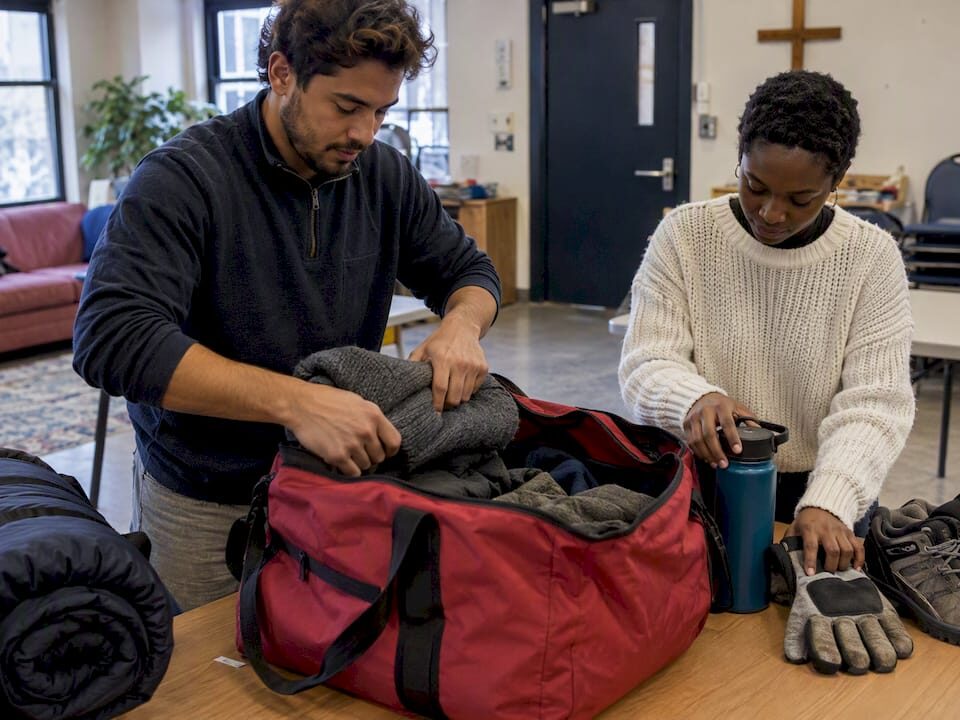
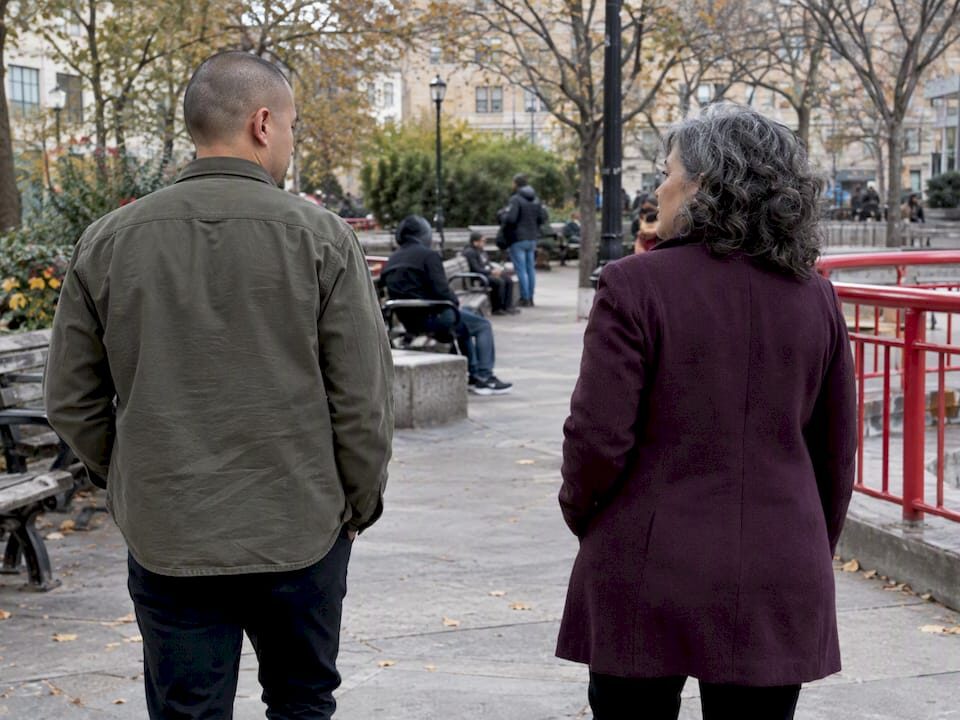
Reading about trauma-informed care and practicing it under supervision are different disciplines entirely. NYSUM provides training through short-term urban mission experiences across New York City, pairing classroom preparation with supervised street outreach.
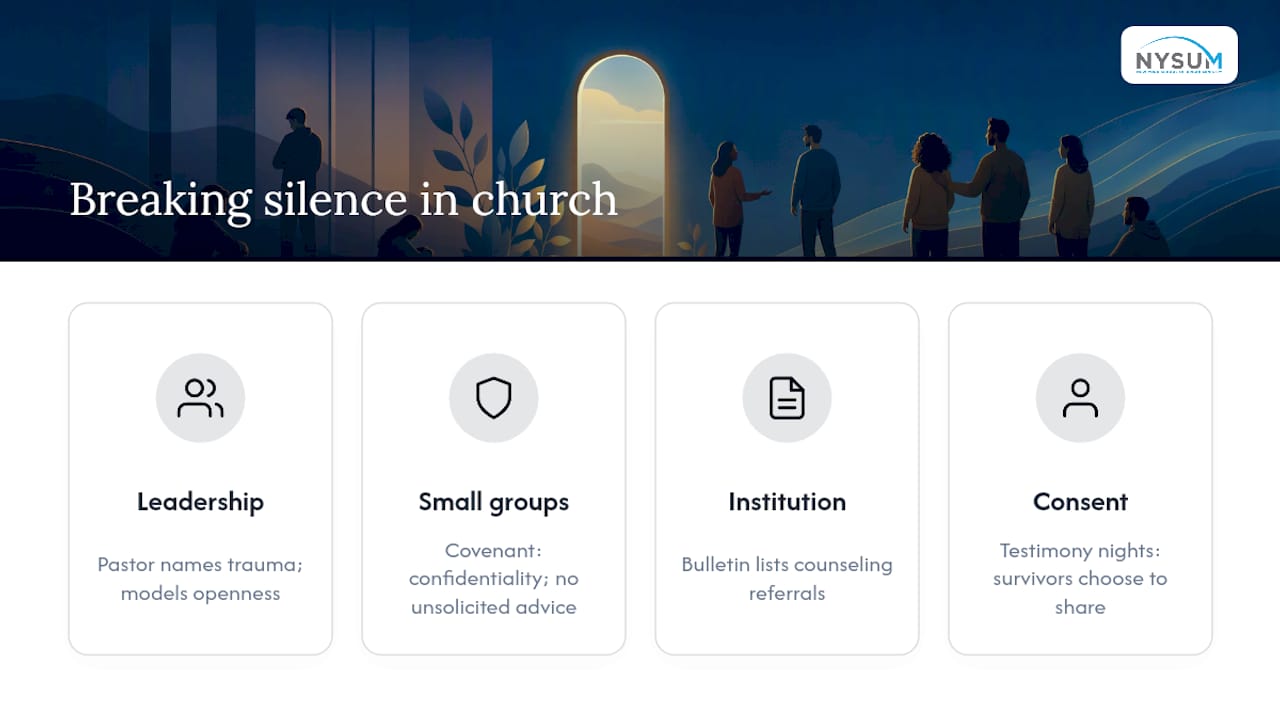
Stigma survives in churches because silence feels safer than honesty. Someone sits through years of services without ever hearing their pastor mention anxiety, abuse, or addiction from the pulpit, and they conclude their story doesn’t belong there.
Breaking that pattern starts with leadership modeling openness first. When a pastor names, even briefly, that trauma affects believers too, and that struggling doesn’t disqualify someone from faith, it gives permission for others to speak. Sermon illustrations that avoid painting trauma survivors as cautionary tales matter more than most preachers realize.
Small groups need explicit norms, not just implied ones. A group covenant that states “what’s shared here stays here” and “we don’t offer unsolicited advice” changes the emotional safety of a room within weeks. Testimony nights work better when survivors choose what to share rather than being asked to perform their healing for an audience.
Language matters at the institutional level too. A church that lists “counseling referrals” in its bulletin alongside baptism and small group sign-ups signals that seeking help sits on equal footing with other spiritual disciplines. Training your greeters and ushers to recognize distress without staring or drawing attention prevents the kind of public exposure that keeps people from ever walking back through the door.
Openness grows fastest when it’s modeled by leadership, protected by structure, and never forced onto anyone who isn’t ready.
Community events and small groups carry unique retraumatization risks that Sunday morning services often avoid simply through predictability. A cookout with sudden fireworks, a worship night with strobe lighting, or a small group icebreaker that demands physical touch can each trigger a response nobody anticipated.
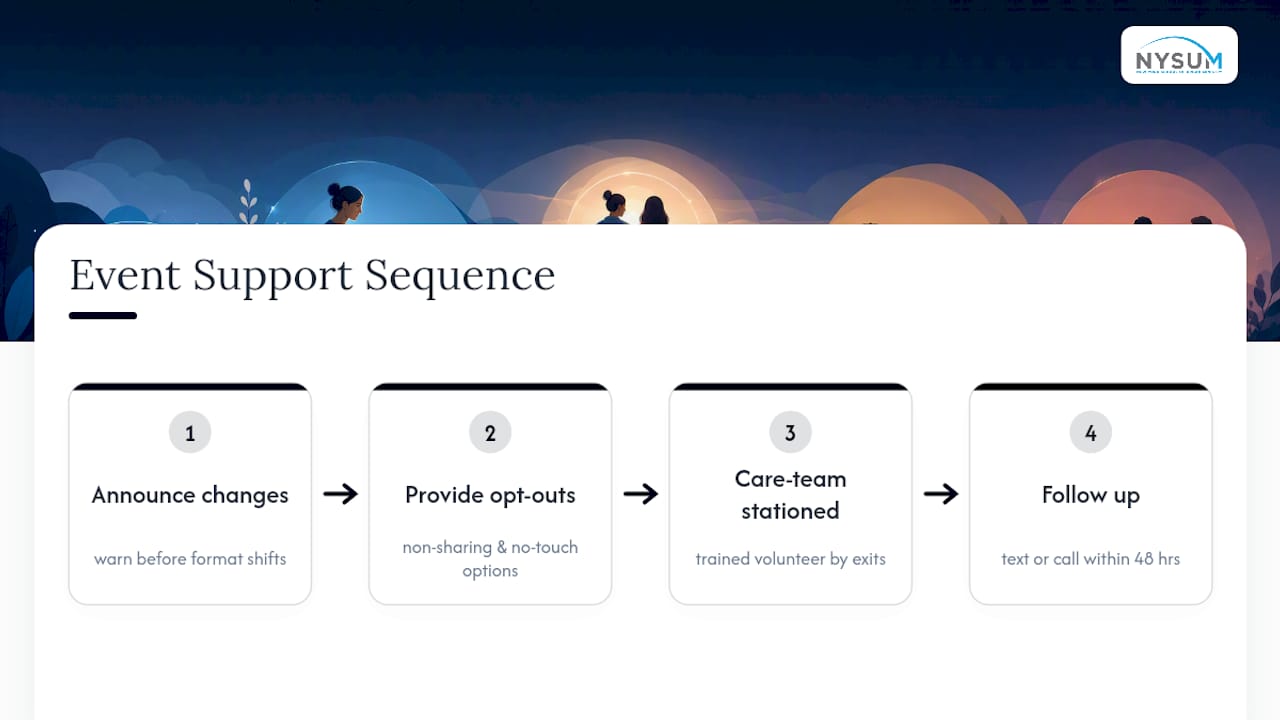
Build an opt-out into everything. Icebreakers should always include a version that doesn’t require sharing personal history or physical contact. Announce format changes in advance, “we’ll be dimming lights for this next song,” so nobody is caught off guard.
Small group leaders benefit from a short script for when someone discloses trauma mid-conversation: acknowledge what was shared, thank them for trusting the group, and gently redirect toward a private follow-up rather than turning the moment into a group processing session. That protects both the survivor’s dignity and the group’s ability to continue.
At larger events, station a trained volunteer near exits, not to monitor people, but to be a calm, available presence for anyone who needs to step outside. Give that role a name, “care team,” so it doesn’t feel like security.
Follow-up matters as much as the moment itself. A text or call within 48 hours after someone discloses something painful tells them the relationship wasn’t transactional. Community events multiply exposure to potential triggers, but with a few structural safeguards, they can become the safest spaces a survivor experiences all week.
Most trauma-informed ministry advice stops at awareness. Churches read about the six principles, nod along, and change nothing structural. That’s the gap I’d push every leader to close first: awareness without a written policy change is just good intentions waiting to fail someone.
The conventional advice oversells training alone. A volunteer who sits through a two-hour Mental Health First Aid session but never practices active listening under real pressure retains almost none of it. Skill transfer happens through supervised practice, which is exactly why hands-on outreach experiences matter more than another seminar.
If your congregation does one thing this quarter, it should be smaller than most guides suggest: pick one program, children’s ministry, a Wednesday small group, or your outreach team, and run the gap analysis on that single area first. Trying to overhaul everything at once guarantees nothing gets finished. Depth on one program beats a shallow pass across all of them.
— Pastor Peter M. DeArruda NYSUM President
NYSUM gives your church a direct, supervised way to practice everything covered here, listening well, reading a room, knowing when to refer, without the guesswork of figuring it out alone in your own community first. Rather than another weekend seminar, your team gets hands-on outreach in New York City’s five boroughs alongside trained leaders who’ve walked thousands of volunteers through the same process.
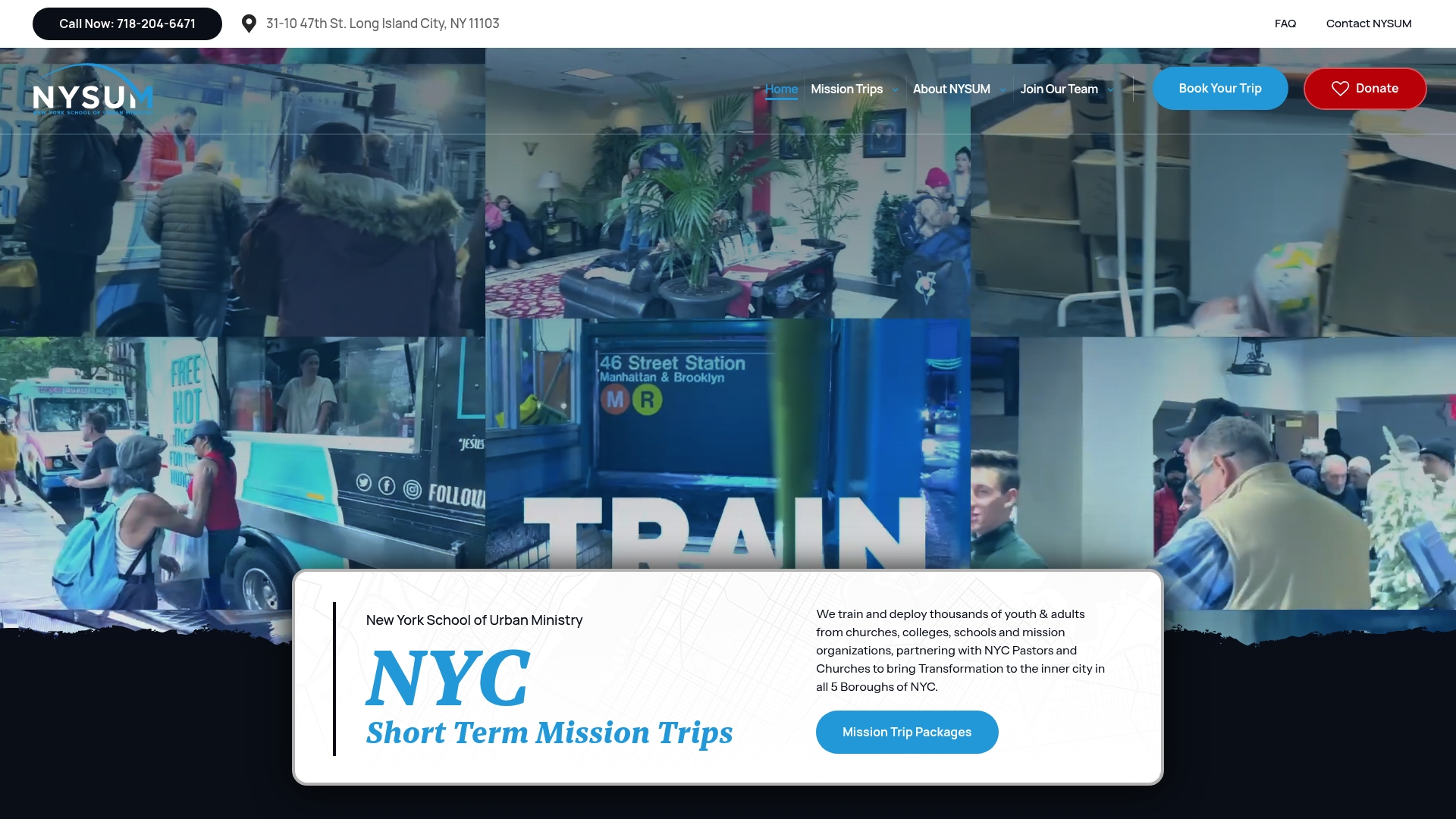
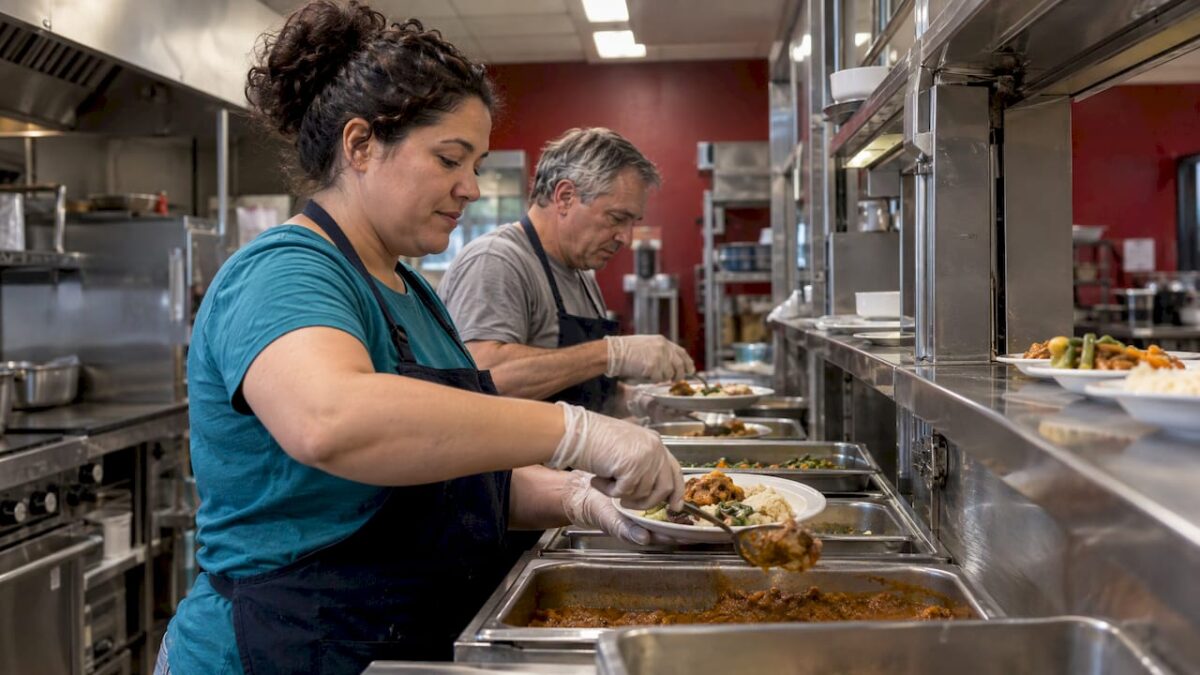
Groups come from many states to participate, with entry points suited to different levels of commitment. Discover NYSUM is a short introductory experience for individuals or small teams, while the Weekend Package, 3-Day Trip, and 5-Day Trip give youth groups and churches deeper immersion in street outreach, soup kitchen service, and compassion ministry. Congregations further along can explore the full ministry training curriculum to build listening and de-escalation skills under supervision.
Talk with your youth or outreach leaders this week about bringing your group to New York City. Visit the reservations page to check available dates and start planning a trip that turns trauma-informed principles into practiced skill.
Definitions vary slightly by source, but SAMHSA’s widely used framework names six: safety, trustworthiness and transparency, peer support, collaboration and mutuality, empowerment and choice, and cultural and historical awareness. Churches adapting this framework typically apply all six rather than trimming to five.
Trauma-informed theology reframes pastoral care around Jesus’ model of presence and compassion rather than quick spiritual fixes. It asks “what happened to you” instead of assuming trauma reflects a faith deficiency, while still holding to biblical truth about healing and hope.
The six pillars, drawn from SAMHSA’s framework, are safety, trustworthiness and transparency, peer support, collaboration and mutuality, empowerment and voice, and cultural, historical, and gender awareness. Churches translate these into concrete policy and worship changes rather than treating them as abstract ideals.
Reading and training only go so far without supervised practice. A short-term mission experience through NYSUM lets volunteers practice active listening, safety awareness, and referral skills in real outreach settings across New York City, then bring that confidence back to their home congregation.
For children’s ministry, trauma-based care means predictable routines, calm transitions, and staff trained to recognize signs of distress like withdrawal or hypervigilance rather than assuming misbehavior. It also means avoiding surprise physical contact and giving children choices whenever possible during activities.
Tel: 718.204.6471 | Email: info@nysum.org
This website uses cookies
We use cookies to personalise content and ads, to provide social media features and to analyse our traffic. We also share information about your use of our site with our social media, advertising and analytics partners who may combine it with other information that you’ve provided to them or that they’ve collected from your use of their services.
Cookies are small text files that can be used by websites to make a user's experience more efficient.
The law states that we can store cookies on your device if they are strictly necessary for the operation of this site. For all other types of cookies we need your permission. This means that cookies which are categorized as necessary, are processed based on GDPR Art. 6 (1) (f). All other cookies, meaning those from the categories preferences and marketing, are processed based on GDPR Art. 6 (1) (a) GDPR.
This site uses different types of cookies. Some cookies are placed by third party services that appear on our pages.
You can at any time change or withdraw your consent from the Cookie Declaration on our website.
Learn more about who we are, how you can contact us and how we process personal data in our Privacy Policy.
Please state your consent ID and date when you contact us regarding your consent.