November 5, 2026
A practical guide to domestic mission trips for churches, youth and college groups: what the work looks like, how to prepare safely, and what NYC trips cost.

We also accept other Non-Traditional Gifts.
Click here to learn more
We also accept other Non-Traditional Gifts.
Click here to learn more
We also accept other Non-Traditional Gifts.
Click here to learn more
We also accept other Non-Traditional Gifts.
Click here to learn more
We also accept other Non-Traditional Gifts. Click here to learn more
We also accept other Non-Traditional Gifts. Click here to learn more

Hands On Ministry Training for Urban Leaders in NYC
September 1, 2026
5 Asset Based Church Outreach Ideas for Urban Communities That Last
September 8, 2026New York School of Urban Ministry
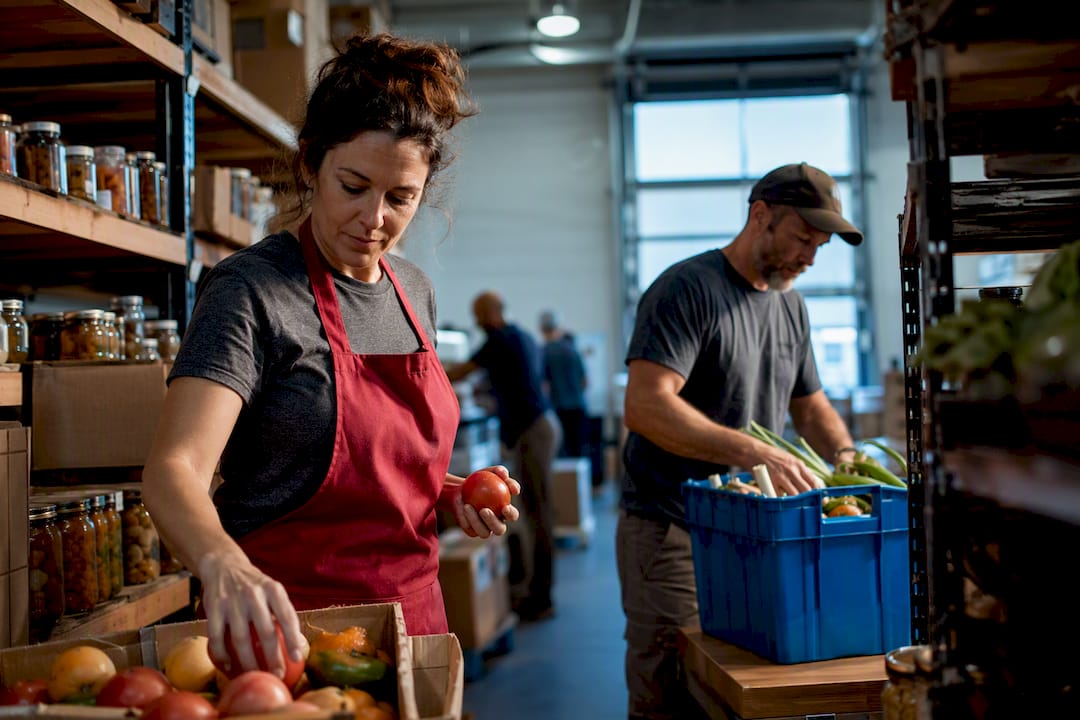
Book a trained, paid short-term mission package when your church group needs reliable logistics, qualified trainers, and food outreach designed with local hosts rather than around them. NYSUM builds its packages on that model, reporting over 5,000 trainees served annually and more than 16,500 meals through its outreach initiatives. The sections below walk through what to look for, what to ask, and what a well-run food pantry ministry trip actually requires.
TL;DR:
- Ensure the mission package includes lodging, meals, trained facilitators, transportation, and materials, as omitting any increases logistical challenges.
- Confirm that pre-field training covers cultural orientation, role-specific briefings, and background checks, with ongoing debriefs scheduled after the trip.
- Clearly define team roles beforehand, including leadership, logistics, safety, spiritual guidance, and medical support, to prevent on-site confusion.
- Prioritize mutual design with the host, focusing on their actual needs, measurable goals, and explicit responsibilities to avoid doing harm or wasting resources.
- Request impact metrics such as trainees served and meals distributed, with follow-up reports at 30 and 90 days, and include budget considerations like trip length and scope.
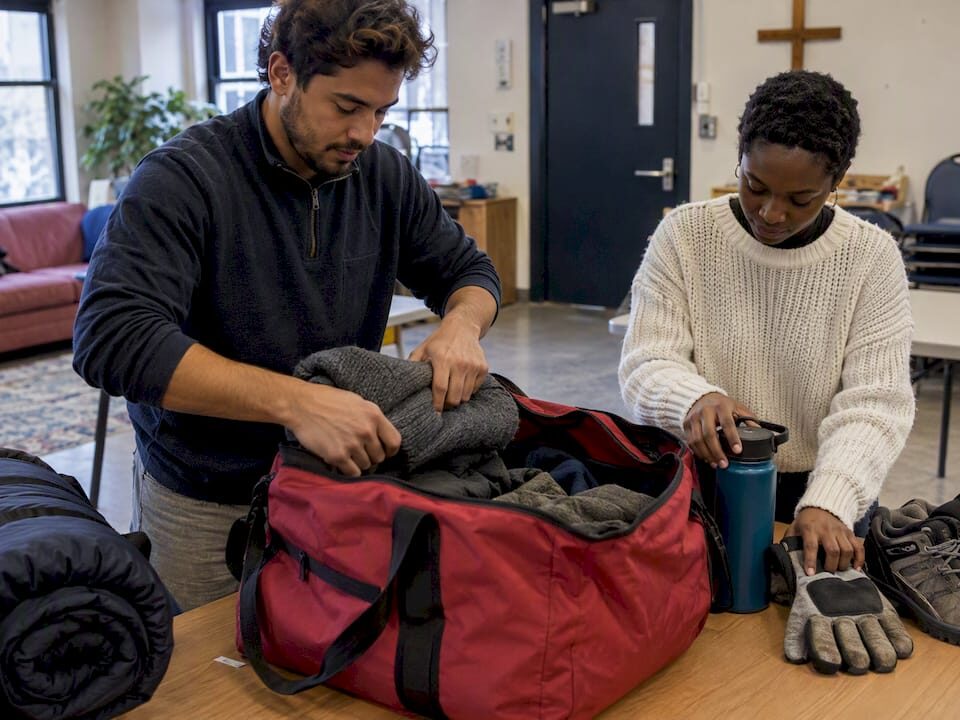
A packaged food pantry ministry trip bundles more than a van and a warehouse shift. It combines lodging, meals for your team, trained on-site leaders, a signed host agreement, transportation between sites, and the food procurement or materials your outreach requires. Strip out any one of these and you are left improvising logistics in a city your group does not know, which is exactly where good intentions go sideways.
A typical inclusion list looks like this:
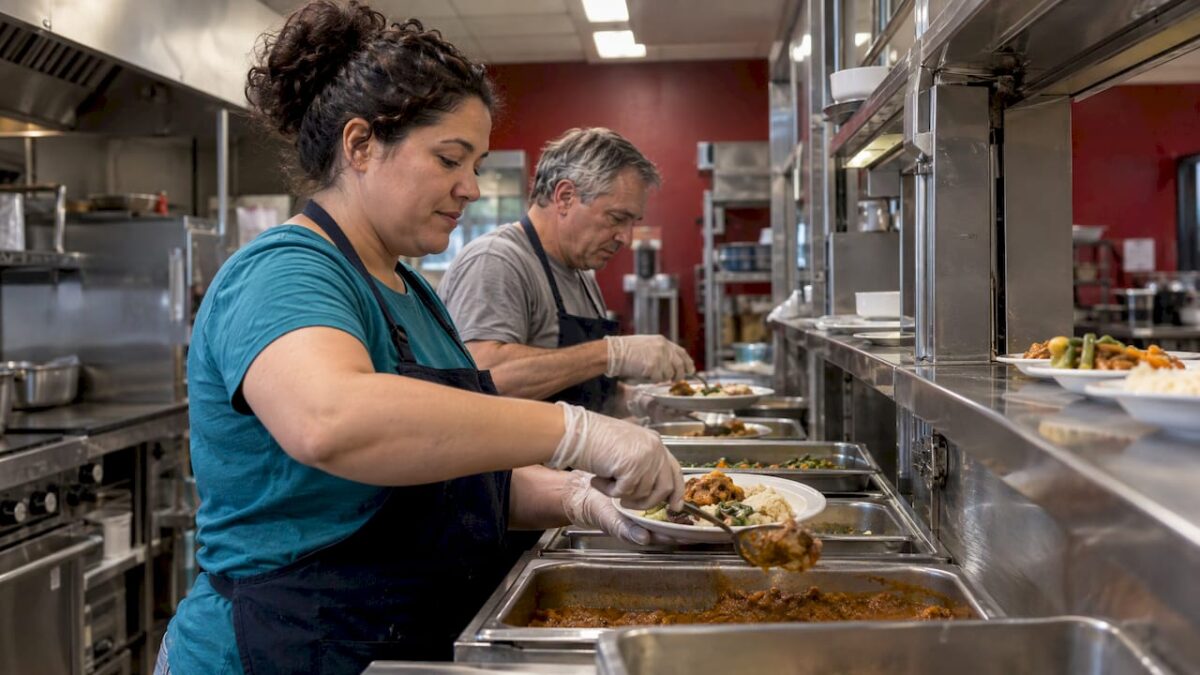
A sample day might open with a morning training block, move into a supervised meal distribution or pantry shift at a host site, and close with an evening debrief that ties the day’s work back to spiritual formation. Shorter trips (three to four days) tend to focus on a single outreach model, like one pantry partnership. Longer packages (a week or more) can rotate teams through multiple neighborhoods and add a service like a children’s program or prayer walk alongside the food ministry work.
Training separates a well-run outreach trip from a group of well-meaning strangers showing up at a food pantry with no context. The Standards of Excellence booklet lists qualified trainers and structured pre/on/post training as core quality indicators for short-term mission programs, and that framework holds up well for food outreach specifically.
Before the field, three things matter most:
On the field, safety briefings, supervised food-handling practices, and daily debriefs keep the work grounded and the team accountable. Qualified trainers should lead these sessions, not simply chaperone them. Expectation management matters here too. World Team USA’s preparation guidance notes that culture shock follows a predictable arc, and teams who prepare for it beforehand adjust faster once they’re on-site.
After the field, the work isn’t done. A structured debrief, a report back to the host ministry, and reintegration resources for participants turn a week of service into something that shapes how volunteers live afterward.
Pro Tip: Ask any provider whether their post-field debrief happens once or on a schedule. A single closing conversation rarely surfaces what a 30 to 90 day check-in will.
Every food pantry ministry trip needs defined roles before anyone boards a plane or bus. Ambiguity about who does what is where most on-site friction starts.
Background screening isn’t optional when minors are involved, and child-safeguarding protocols should be spelled out in writing before departure, not improvised. Emergency contacts, travel insurance, and a clear medication process round out the safety checklist. On the food side, vendor coordination and basic handling practices, like proper storage temperatures and glove use during distribution, protect both your team and the people you’re serving.
The single biggest predictor of whether a food outreach trip actually helps or quietly does harm is whether the visiting team treats the host’s priorities as primary. Research on maximizing the missional value of short-term mission makes this point directly: mutual design and thorough training reduce harm and increase effectiveness far more than good intentions alone.
Mutual design starts with a short checklist:
Common outreach models include recurring pantry shifts, mobile food distributions in underserved blocks, and meal-assembly events that prep and package food for later delivery. Each can incorporate evangelism, but sensitively, through conversation and relationship rather than a script delivered over a food line.
Before you sign with any provider, request a written agreement covering site liability, each party’s roles, and who supplies what. That single document tends to prevent the “we thought you were bringing that” gap that derails otherwise well-planned trips.
Ask any provider for hard numbers before you book: trainees trained, meals served, host satisfaction, and how many participants commit to follow-up engagement after returning home. Nysum’s own reporting sets a useful benchmark here, with over 5,000 trainees and 16,500-plus meals served annually across its outreach initiatives.
Request reporting on a timeline, too: an immediate summary after the trip, then a 30-day and 90-day follow-up showing whether the impact held. Costs vary by trip length and package scope, but your budgeting checklist should include lodging, meals, training fees, transportation, a contingency line for the unexpected, and a fundraising plan your sending church can rally around well before departure.
Food-focused mission outreach grew out of a much older tradition in the church: feeding people as an act of discipleship, not just charity. Soup kitchens and pantry ministries expanded through American congregations across the twentieth century as urban poverty and food insecurity became visible, sustained problems rather than temporary crises.
What changed more recently is the short-term mission model layered on top of that tradition. Instead of a single congregation running its own pantry indefinitely, churches began sending trained teams to partner with existing urban ministries for concentrated bursts of service. The purpose shifted from “we run this program” to “we strengthen a program that’s already rooted in the community.” That distinction matters for how a group should plan its trip. A food pantry ministry package today isn’t meant to replace local infrastructure. It’s meant to supplement a host’s ongoing work with trained hands, fresh energy, and resources the host may not have on a given week. Done well, it also exposes participants, often for the first time, to the scale and complexity of urban poverty in a way that reshapes how they give and serve once they’re back home. That long-term shift in generosity and leadership is one of the strongest arguments for treating these trips as training experiences, not sightseeing with a service component attached.
Food pantry ministries in urban settings serve a wider range of people than most first-time volunteers expect. Chronic homelessness accounts for only part of the population at most distribution sites. Working families stretching a paycheck across rent and groceries, elderly residents on fixed incomes, recent immigrants navigating an unfamiliar system, and young adults aging out of foster care all show up at the same pantry line.
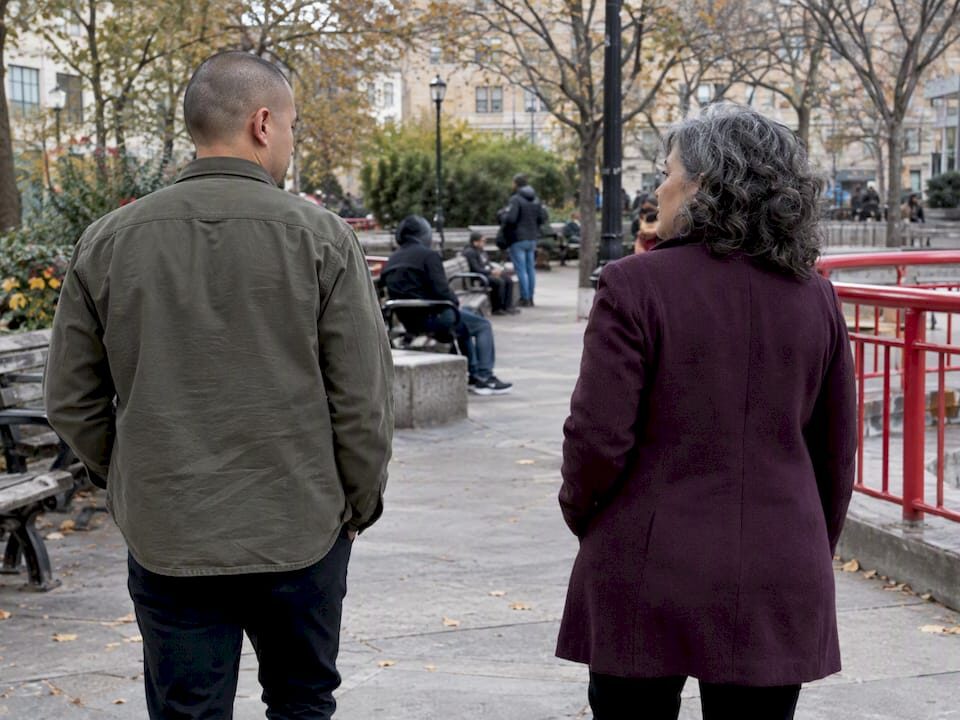
That range shapes how a food outreach team should approach the work. A volunteer who assumes everyone at the site is unemployed or unhoused will misread conversations and miss opportunities for genuine connection. Some neighborhoods a host serves are dense immigrant communities where language access matters as much as food quantity. Others are pockets of generational poverty where trust with outsiders has to be earned slowly, often through the host ministry’s long track record rather than a single week of visits.
This is precisely why host input matters more than a team’s assumptions. A pantry in one borough might need help specifically with intake and paperwork because English isn’t the first language for most visitors. Another site three miles away might need extra hands purely for meal assembly because volume, not complexity, is the bottleneck. Training that includes context on the specific community you’ll serve, rather than generic urban poverty statistics, prepares volunteers to actually notice which need is in front of them.
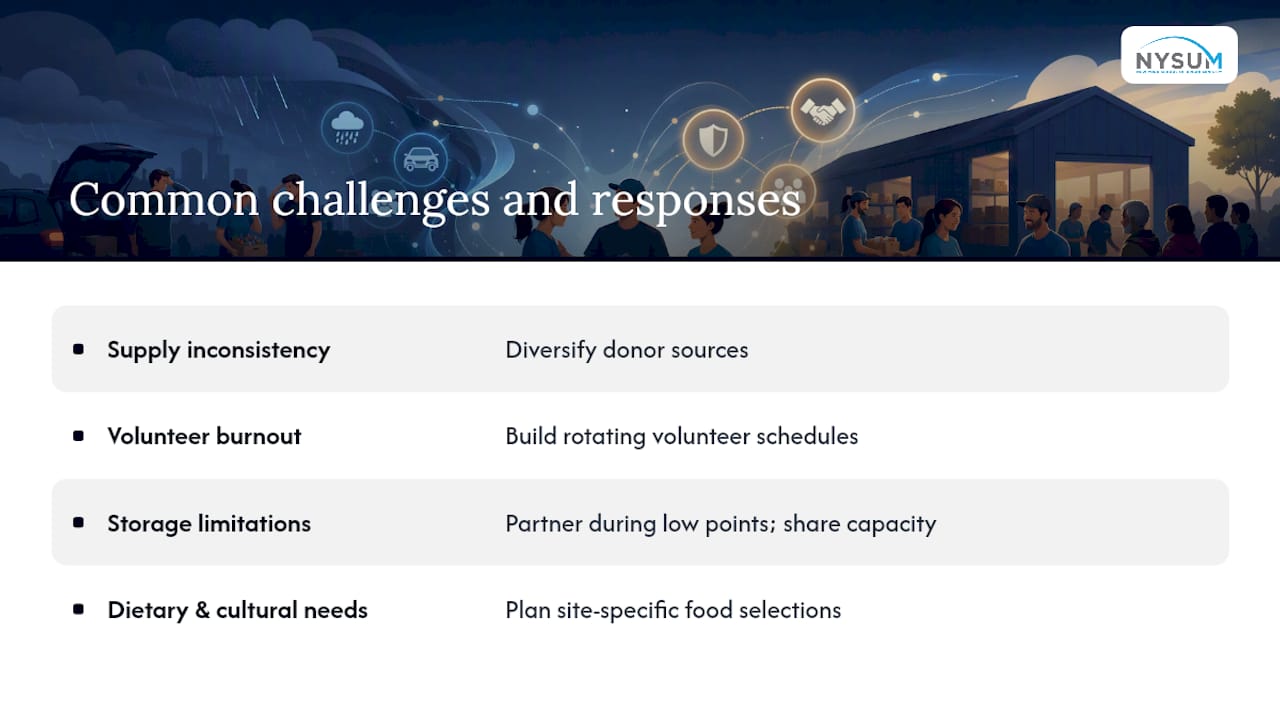
Supply inconsistency ranks near the top of nearly every host ministry’s list of recurring problems. Donations spike around holidays and dry up in the months between, leaving pantries scrambling to stretch limited inventory across weeks when giving slows down.
Volunteer burnout runs a close second. Local ministries that rely on the same core group of dedicated helpers week after week eventually watch that group thin out, and short-term mission teams, when well trained, can genuinely ease that load rather than add to it.
Storage limitations create a quieter but persistent challenge. Many urban pantry sites operate out of church basements or small storefronts without the refrigeration or shelf space that safe food handling really requires. Dietary restrictions and cultural food preferences add another layer of complexity, since a pantry serving a diverse population can’t simply stock generic canned goods and call it complete.
Strategies that actually move the needle include diversifying donor sources so no single spike or shortage sinks the operation, building volunteer rotations that spread the load across more people rather than fewer, and partnering with visiting teams specifically during predictable low points in the local volunteer calendar. Cross-training visiting team members in multiple roles, intake, distribution, and food handling, also means a host site isn’t left short-staffed if one area gets overwhelmed on a given day.
Sourcing starts with relationships, not just donations. The strongest pantry ministries maintain standing partnerships with grocery stores, food banks, and local farms rather than depending entirely on unpredictable one-time drives. Consistency beats volume when it comes to planning weekly distributions.
Storage requires basic but non-negotiable discipline: perishables need consistent refrigeration, dry goods need pest-proof containers, and every site needs a rotation system so older stock moves out before newer stock comes in. A pantry without a “first in, first out” habit ends up throwing away food that could have fed someone weeks earlier.
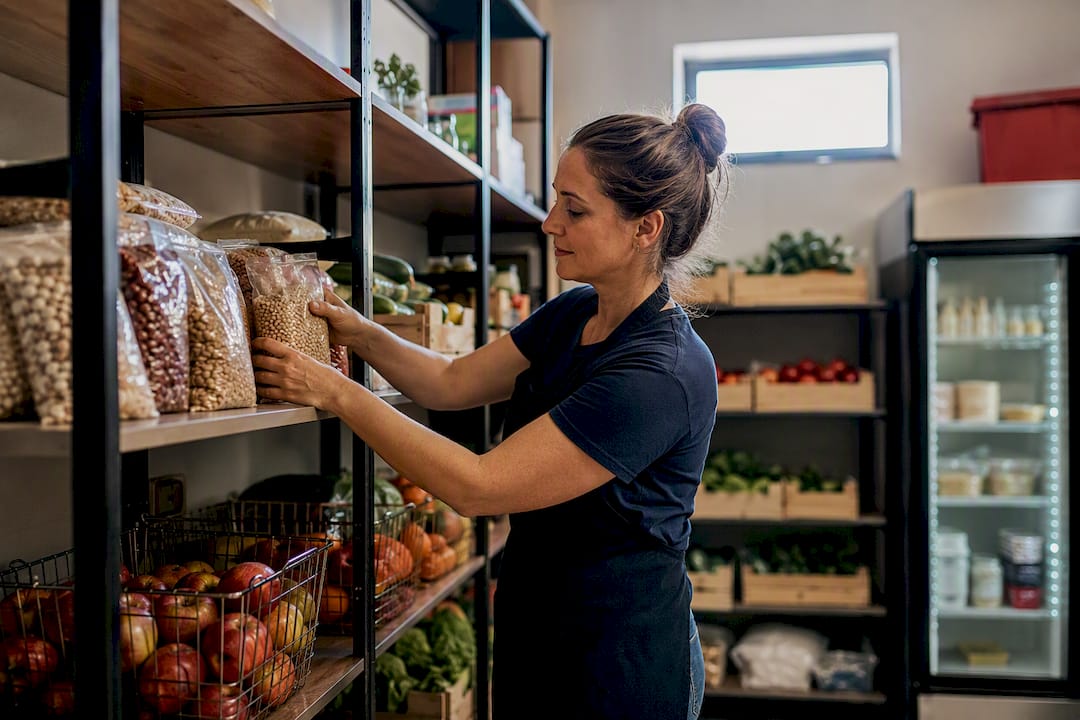
Distribution works best when it respects dignity alongside efficiency. Client-choice models, where visitors select their own items rather than receiving a pre-packed box, tend to reduce waste and increase satisfaction, since people take what they’ll actually use. Visiting teams should follow the host’s established distribution method rather than introducing a new system for the week they’re present, since consistency matters more to regular visitors than any one team’s preferred approach.
Pro Tip: Ask your host site in advance whether they use client-choice or pre-packed distribution, and train your team on that specific model before you arrive rather than during the first shift.
Recruitment for food pantry ministry work succeeds when it’s specific rather than general. “Come help at the food pantry” recruits far fewer people than “we need three people every Thursday morning to sort produce donations,” because the second version removes the guesswork about time commitment and task.
Youth ministries and campus ministries have a particular advantage here: built-in community structures where a single announcement can mobilize a dozen volunteers who already trust each other. Pairing new volunteers with experienced ones during their first shift also does more for retention than any orientation packet, since people stick with service when they feel competent, not just welcomed.
Recognition matters more than most ministries assume. A short thank-you at a church gathering, a text after a particularly demanding shift, or simply a leader remembering a volunteer’s name the second time they show up all signal that the contribution registered. Burnout tends to follow invisibility, not workload. Rotating responsibilities also keeps engagement fresh; a volunteer who only ever unloads boxes will tire faster than one who occasionally gets to interact directly with the families the pantry serves.
Food safety regulation for pantry ministries generally falls under state and local health department rules rather than a single national standard, and requirements vary depending on whether food is prepared on-site, simply distributed prepackaged, or served as a hot meal. Ministries handling perishable donations typically need to follow safe temperature guidelines for storage and transport, and many jurisdictions require at least one person on-site with basic food-handling certification.
Liability protection is another area worth understanding before a trip, not during one. Good Samaritan food donation laws in most states shield donors and distributing organizations from liability when food is given in good faith and later found to have caused harm, provided it wasn’t distributed with gross negligence. That protection generally covers the host ministry and its volunteers, but visiting teams should confirm this directly with the host rather than assume blanket coverage.
Background screening requirements for anyone working near minors, whether in a children’s program running alongside the food outreach or simply present at a family distribution site, are typically set by the host organization or local diocese and should be confirmed and completed before the trip, not on arrival. None of this replaces a conversation with a legal or health professional about your specific state’s requirements, but understanding the shape of these rules helps a mission coordinator ask sharper questions of any provider before booking.
Trips built around training rather than a single service day change what participants carry home. NYSUM’s model of pairing immersive urban ministry training with host-designed outreach reflects a pattern the research supports: short-term missions fuel long-term generosity and leadership far more reliably when preparation and debrief bracket the fieldwork itself.
Over 5,000 trainees served annually and more than 16,500 meals distributed aren’t just numbers on a page. They reflect a repeatable process, one that qualified trainers and consistent host partnerships make possible at scale. That repeatability is what a one-off volunteer visit can’t offer.
— NYSUM
NYSUM’s ministry packages bundle everything covered above into a single booking conversation: lodging, meals, trained facilitators, and host partnerships already built into New York City’s five boroughs. Rather than piecing together transportation, a pantry site, and training separately, your church group works through one coordinated process from the start.
When you reach out, come ready with a few questions. Ask how mutual design works with the specific host site you’d be serving, what dietary and medical information the team collects before arrival, and what qualifications the on-field trainers hold. A booking conversation should also cover group size, trip length, and whether you want to pair food outreach with something like a children’s program or prayer walk during the same visit. NYSUM’s training campus handles the on-site logistics, so your coordinator’s job shrinks to confirming dates and communicating expectations to your team beforehand. If you’re weighing a trip for a youth group specifically, the mission trips for churches guide walks through planning details worth reviewing before you commit to dates.
It’s a short-term mission package that combines trained volunteer teams with host-partnered food distribution, pantry shifts, or meal-assembly outreach, typically bundled with lodging, meals, and structured training.
Most ethical programs run at least two pre-field sessions covering cultural orientation, role briefings, and background checks before a team ever reaches the field, per Standards of Excellence guidance.
Yes, especially if the trip includes any interaction with minors; screening should be completed before departure, not arranged on-site.
NYSUM reports trainees served and meals distributed annually, with over 5,000 trainees and 16,500-plus meals tracked as core impact metrics across its programs.
Ask about mutual design with the host, trainer qualifications, dietary and medical intake process, and what post-trip debrief and follow-up reporting look like.
Tel: 718.204.6471 | Email: info@nysum.org
This website uses cookies
We use cookies to personalise content and ads, to provide social media features and to analyse our traffic. We also share information about your use of our site with our social media, advertising and analytics partners who may combine it with other information that you’ve provided to them or that they’ve collected from your use of their services.
Cookies are small text files that can be used by websites to make a user's experience more efficient.
The law states that we can store cookies on your device if they are strictly necessary for the operation of this site. For all other types of cookies we need your permission. This means that cookies which are categorized as necessary, are processed based on GDPR Art. 6 (1) (f). All other cookies, meaning those from the categories preferences and marketing, are processed based on GDPR Art. 6 (1) (a) GDPR.
This site uses different types of cookies. Some cookies are placed by third party services that appear on our pages.
You can at any time change or withdraw your consent from the Cookie Declaration on our website.
Learn more about who we are, how you can contact us and how we process personal data in our Privacy Policy.
Please state your consent ID and date when you contact us regarding your consent.