November 5, 2026
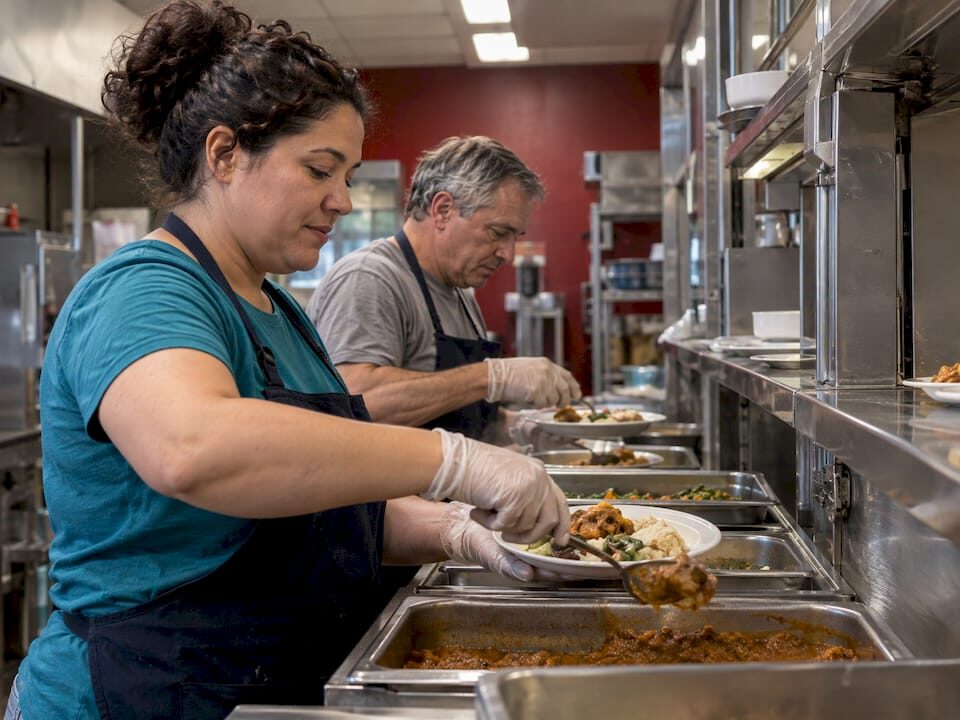
A practical guide to domestic mission trips for churches, youth and college groups: what the work looks like, how to prepare safely, and what NYC trips cost.

We also accept other Non-Traditional Gifts.
Click here to learn more
We also accept other Non-Traditional Gifts.
Click here to learn more
We also accept other Non-Traditional Gifts.
Click here to learn more
We also accept other Non-Traditional Gifts.
Click here to learn more
We also accept other Non-Traditional Gifts. Click here to learn more
We also accept other Non-Traditional Gifts. Click here to learn more

5 Youth Service Project Types in NYC That Respect Community Needs
September 13, 2026
Say the Gospel in One Minute: Conversation First Script to Start
September 17, 2026New York School of Urban Ministry
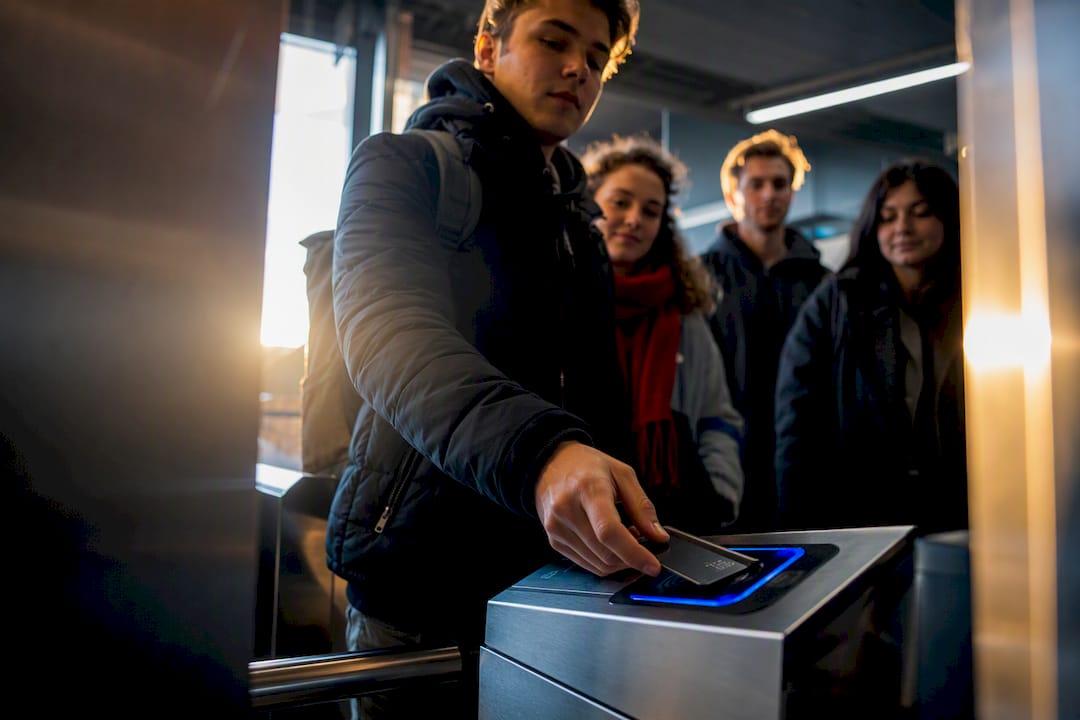
Tap OMNY the same way every time, check the train’s final destination instead of trusting color alone, and follow basic platform safety rules. Do those three things and you will handle most trips the New York City subway throws at you. The system moves millions of people daily, and the riders who struggle are almost always the ones skipping one of these steps. Groups from Texas to Ohio flying in for a service trip need the same three habits, just multiplied across a whole team.
TL;DR:
- Using the same contactless payment method throughout the trip ensures transfers count and maximizes the weekly fare cap of approximately $35.
- Always verify the train’s final destination on the rolling sign or digital display, as color coding on the platform can be misleading outside Manhattan.
- Boarding only after riders exit, keeping backpacks in front, and staying behind the yellow line are key safety habits for avoiding delays and accidents.
- During rush hours, it is better to wait for the next train or spread out on the platform than to force your way into crowded cars.
- Groups should split into small units with individual devices, appoint a leader, and plan transfer points to stay together and manage fares efficiently.
Before you even reach the turnstile, a few habits save you money and hassle. These are the fast-action moves worth memorizing before your first ride, whether you’re a lifelong New Yorker or landing at LaGuardia for the first time.
Pro Tip: Screenshot the MTA’s live service status page before you leave your hotel or church, because Wi-Fi underground is unreliable and you don’t want to find out about a suspended line standing on the platform.
OMNY replaced the swipe-and-hope guesswork of the old system with tap-and-ride. You tap a contactless credit or debit card, a smartphone wallet like Apple Pay or Google Pay, a smartwatch, or a physical OMNY card directly on the reader at the turnstile or bus farebox, and the fare deducts automatically.
The rule that trips people up: use the exact same card or device for every tap on a given trip. OMNY’s own guidance is clear that switching between, say, your phone and a physical card mid-journey breaks the chain, and the system charges you as if you started a brand new ride instead of recognizing a transfer.
Stick with one method consistently and OMNY rewards you two ways. First, transfers between subway and bus within two hours are free. Second, your taps accumulate toward a weekly fare cap. Ride enough times in a seven-day window and OMNY stops charging you, capping local subway and bus rides at roughly $35 for the week, with an express bus cap around $67.
A few practical notes:
“Uptown” generally means the train is heading north, and “Downtown” means it’s heading south. That much is simple. Where visitors get burned is assuming the color on the platform sign guarantees an identical route every time a train with that color pulls in.
Colors mark Manhattan trunk lines, not fixed stop patterns. Two trains sharing a green stripe can still serve different stations once they split outside Manhattan. MTA’s own rider guidance is blunt about this: always confirm the train’s final destination on the rolling sign above the windshield or the digital display inside the car before you board, not just the letter or number.
A few habits make this foolproof:
Most subway trips are uneventful, but a handful of habits meaningfully lower your risk, and they cost nothing extra in time. The Help Point intercoms positioned on platforms connect you directly to a customer service representative or, in an emergency, to 911 dispatch at the push of a button. Use them for anything from a stuck gate to reporting suspicious activity.
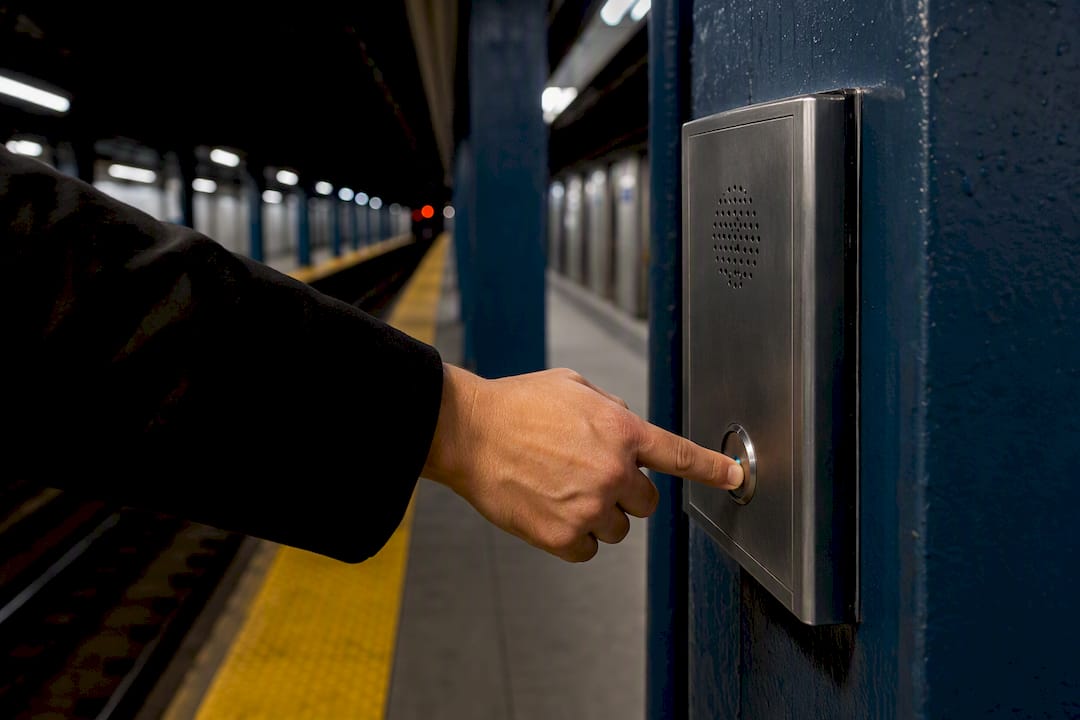
For a true emergency, call 911 directly rather than waiting on an intercom response. To report harassment, sexual misconduct, or other crimes after the fact, contact the NYPD Transit Special Victims Squad or file through the MTA’s online safety reporting forms, and note the car or equipment ID number if you can. That ID helps crews track down and fix a specific broken door or malfunctioning intercom far faster than a general complaint.
A few more habits worth building:
Pro Tip: If you wear noise-cancelling headphones, keep one ear free in unfamiliar stations. You’ll still hear the conductor’s announcement about a skipped stop or a Help Point response calling your attention.
Weekday mornings from roughly 7:00 AM to 9:30 AM and evenings from about 4:30 PM to 7:00 PM bring the heaviest crowds, particularly on Manhattan trunk lines. Here’s how to work with the crush instead of against it.
Church teams, youth groups, and college ministries moving through the city face a different problem than solo riders: staying together while everyone pays correctly. Every person taps individually. There’s no group discount and no shared swipe, so if your team has more than four people, split into pairs or trios with separate cards or devices so each person’s transfers and fare cap track properly.
Before you ever step onto a platform, name one adult as the group lead for that ride, pick a specific, visible meeting point inside the station (a particular pillar, not just “by the stairs”), and confirm your transfer point in advance rather than deciding on the fly. Build extra buffer time into your schedule, because a fifteen-person group boarding a train simply takes longer than two people.
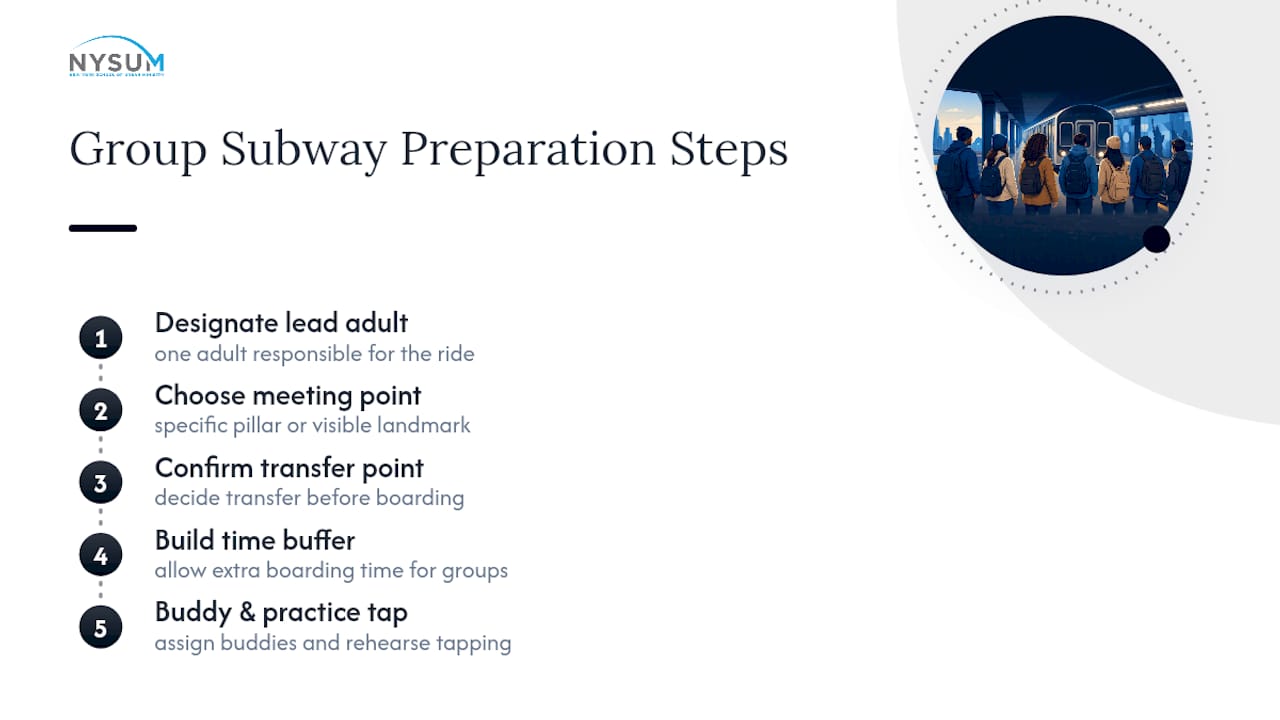
For youth groups especially, assign a buddy system for younger participants and do a practice tap-through before the real trip. NYSUM builds exactly this kind of transit orientation into its mission trip guidelines, because a team that has rehearsed once rarely gets separated on the actual outreach day.
Trains get rerouted, suspended, or slowed constantly, and the riders who handle it best are the ones who plan for it rather than react to it. Check the MTA’s live service status page before you leave, not after you’re already standing on a platform wondering why nothing has arrived.
When an announcement mentions a “reroute,” “suspended service,” or “running with delays,” don’t assume it applies only to the direction you’re not going. Read the full announcement or check the app, since disruptions often affect both directions of a line sharing tracks.
If your line is down, look at what parallel routes exist. Manhattan’s numbered and lettered lines often run close enough together that a short walk to a different station gets you moving again faster than waiting out a suspension. Buses running along the same corridor are a legitimate backup, and OMNY’s free transfer window applies there too if you tap consistently.
For groups, build a “Plan B” transfer point into your itinerary ahead of time rather than improvising with fifteen people standing on a crowded platform. A five-minute buffer built into your schedule absorbs almost any minor delay without throwing off the rest of your day. And if a delay is significant, a station agent can often issue a Courtesy Pass so you’re not charged twice trying to reroute.
Every station posts a full system map near the turnstiles and often on the platform itself, color coded by trunk line with every stop listed in order. Find your line’s color first, then trace it to your destination station before you commit to a direction, since this catches mistakes before you’ve already tapped through.
Exit signs use two key words: “Uptown/Downtown” for which platform to head toward, and street names or landmark names for which stairway leads where once you’re above ground. In larger stations like Times Square or Fulton Street, signage also marks specific street corners (for example, “42 St & 7 Ave”) so you can pick the exit closest to where you’re actually headed, rather than surfacing three blocks from your destination.
For transfers between lines within the same station, look for signs reading “Transfer” or “To [line letter/number] trains” with directional arrows. These are usually posted at decision points before you’d otherwise have to backtrack. If a station has multiple mezzanines, confirm you’re following signage for the correct one, since some larger complexes have two or three separate fare-controlled areas that don’t connect underground.
When signage feels genuinely confusing, which happens even to longtime residents in stations like Atlantic Avenue or Grand Central, a station agent booth is almost always nearby and will point you the right way faster than guessing.
Every year, NYSUM trains more than 5,000 individuals preparing for hands-on ministry across the five boroughs, and transit orientation is built into that prep, not an afterthought. Teams walk through fare payment, platform safety, and station navigation together before they’re ever responsible for moving independently through the city.
Group leaders from churches, youth ministries, and college groups across states like Texas, Georgia, and Ohio consistently tell us the biggest anxiety isn’t the outreach itself. It’s the subway. Solid transit prep changes that.
— Pastor Peter M. DeArruda NYSUM President
Many mission trip packages include subway orientation, safety briefings, and trip logistics, so teams arrive ready to serve instead of relearning turnstiles on day one.
That means less time worrying about which train to catch and more time serving alongside NYC communities through food outreach, prayer walks, children’s programs, and soup kitchen partnerships. Groups from various states find that having transit logistics handled ahead of time lets leaders focus on shepherding their team instead of managing logistics. Whether you’re bringing a small youth group for a weekend or a full college ministry for a week, NYSUM’s ministry packages include the training and coordination that make city travel simple from the first day.
If you’re a pastor, youth leader, or mission coordinator weighing a trip to New York City, start by exploring NYSUM’s ministry training options and reach out to talk through dates and group size for your team.
Download the MTA’s trip planner or a transit app before you arrive, then practice one tap and one ride during a low-traffic hour to build confidence before rush hour hits.
No. OMNY accepts contactless credit and debit cards, smartphone wallets, and OMNY cards, and exact change is only relevant if you’re paying cash on a bus.
The weekly OMNY fare cap is roughly $35 for local subway and bus rides within a seven-day period when you use the same card or device consistently.
It’s generally safe, and following basic precautions like waiting in staffed or well-lit areas and riding near the conductor’s car meaningfully lowers your risk during off-peak hours.
NYSUM builds transit orientation and safety briefings into its mission trip preparation, so visiting teams from churches and youth groups arrive already familiar with fares, navigation, and platform etiquette.
Tel: 718.204.6471 | Email: info@nysum.org
This website uses cookies
We use cookies to personalise content and ads, to provide social media features and to analyse our traffic. We also share information about your use of our site with our social media, advertising and analytics partners who may combine it with other information that you’ve provided to them or that they’ve collected from your use of their services.
Cookies are small text files that can be used by websites to make a user's experience more efficient.
The law states that we can store cookies on your device if they are strictly necessary for the operation of this site. For all other types of cookies we need your permission. This means that cookies which are categorized as necessary, are processed based on GDPR Art. 6 (1) (f). All other cookies, meaning those from the categories preferences and marketing, are processed based on GDPR Art. 6 (1) (a) GDPR.
This site uses different types of cookies. Some cookies are placed by third party services that appear on our pages.
You can at any time change or withdraw your consent from the Cookie Declaration on our website.
Learn more about who we are, how you can contact us and how we process personal data in our Privacy Policy.
Please state your consent ID and date when you contact us regarding your consent.